How Do Casinos Power and Network Hundreds of Slot Machines?
Walking into a casino like MrQ Casino or any large gaming hall, you’re greeted by an enchanting sea of lights, sound effects, and blinking screens. Hundreds, sometimes thousands, of slot machines hum quietly but intensely with activity. Have you ever wondered how all these machines stay powered up, securely connected, and flawlessly managed? The answer lies in a combination of engineering ingenuity, robust casino internal networks, and safe electrical connection practices developed over decades.
The Origins: Mechanical Constraints Shaped Early Slot Cabinets
Before modern digital screens, slot machines were mechanical wonders. The early reels, levers, and payout mechanisms dictated the cabinet size and layout. The cabinet footprint back then was largely determined by the size of the reels and the housing needed for gears and coin slots – not just the window where the reels spun.

Many units had bulky wooden or metal frames with lever arms protruding. This physical size was non-negotiable—it influenced where and how the machines could be deployed on a casino floor. In fact, the California Office of Historic Preservation documents how some vintage cabinets have become historical artifacts because of their unique mechanical design and cultural impact.
Cabinet Footprint: More Than Just the Reel Window
Although the 3-inch or 4-inch wide window displaying reels might seem small, the overall slot machine cabinet was several feet tall and wide. This architecture included:
- Coin mechanisms and payout trays
- Mechanical reels with complex gearing
- Electrical components for illumination
So, when we talk about a slot’s size or the “screen,” it’s critical to understand that the visible reel section was just the tip of the iceberg. The design balanced mechanical needs with the practical requirements of power and wiring.
From Mechanical to Video Slots: Bigger Screens Before Mobile Made Them Smaller
As technology advanced, video slot machines replaced mechanical reels with video screens, allowing for interactive and dynamic game displays. Machine footprints generally grew larger because screens increased in size and the cabinetry began to incorporate more features such as touch panels and secondary displays.
If you think about it, the transition is similar to going from a classic desktop monitor to a smartphone. Early video slots had screens more akin to small computer monitors—usually around 19 to 24 inches diagonally—designed for clear visibility across a casino lane.
Here’s the thing: diagonal screen measurement doesn’t tell the whole story. For example, two screens with the same diagonal length can have very different aspect ratios and areas. Early video slots often used a 4:3 or 16:9 aspect ratio, but the display orientation and interface arrangement could vary, which affected player interaction and readability.
Contrast this with today’s mobile-focused designs, which tend to be smaller and often portrait-oriented to fit a single thumb. The casino floor has Website link responded to these trends by slimming down cabinet designs to improve player comfort and optimize the use of space. Smaller screens mean less power, fewer heat concerns, and simpler network routing.
How Casino Internal Networks Keep Slot Machines Connected
Powering the machines is just half the equation—the other half is networking. Every slot machine in a casino is connected to a casino management system (CMS), which oversees game play, payouts, accounting, and compliance with regulations.
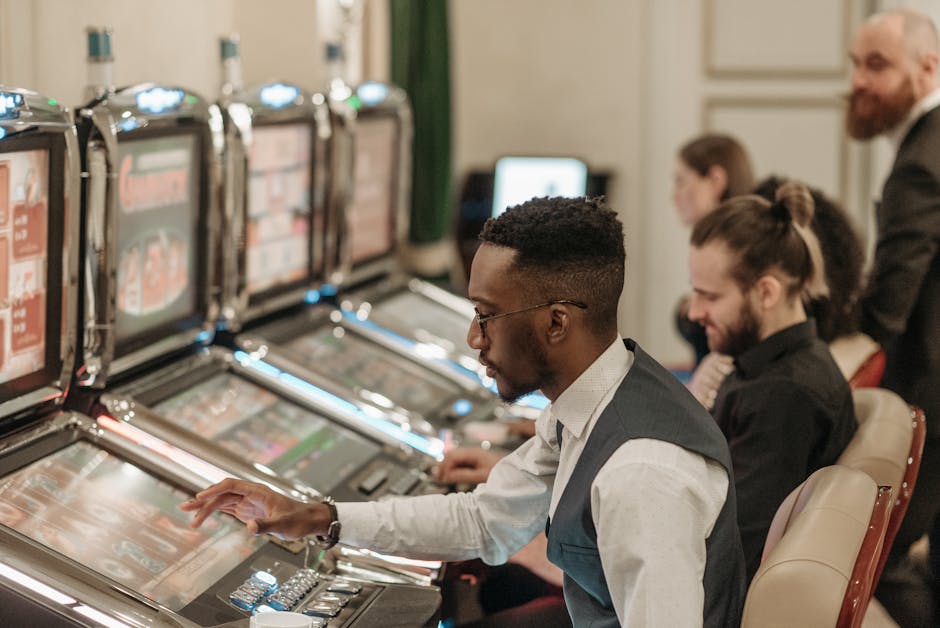
The CMS collects data such as credits inserted, game outcomes, and machine status. This requires a reliable, secure, and low-latency communication protocol. Most modern casinos implement a hybrid wired and wireless network system that includes:
- Ethernet connections: Wired links ensure consistent bandwidth and uptime. Secure cabling runs beneath the casino floors.
- Wi-Fi and proprietary RF: Some machines use wireless protocols for devices that are hardwired elsewhere or part of mobile carts.
- Power over Ethernet (PoE): Enables both power and data transfer over a single cable in specific setups.
Safe electrical connection and cable management are paramount to avoid interference, noise, or hazards caused by loose cables. Professional floor ops teams, often working quietly behind the scenes, plan cable runs alongside power distribution grids to minimize disruption.
Network Architecture and Security
Within the casino’s backend infrastructure, the CMS operates with segmentation and strict firewall policies. This isolates slot machine networks from guest Wi-Fi and external threats, ensuring regulatory compliance and data integrity.
The network also supports remote diagnostics and maintenance. Operators can monitor errant machines and schedule repairs without disrupting floor activity. These capabilities are crucial when considering a venue like MrQ Casino, which balances live gaming with robust online experiences, demanding seamless synchronization between physical and digital systems.
Powering Hundreds of Machines: Safe Electrical Connection Practices
Each slot machine requires constant electric power—not only for gaming but also for lighting, sounds, and network modules. Given the density of machines packed into a casino floor, the electrical infrastructure is carefully engineered with:
- Dedicated power circuits: Reducing overload risks and isolating faults.
- Surge protection: Shielding machines from voltage spikes common in public buildings.
- Redundant power supplies: Some slots utilize UPS (Uninterruptible Power Supply) units to ensure no downtime due to power glitches.
Floor operators ensure that power cords and connectors meet strict safety standards, preventing trip hazards and fire risks. In many cases, power delivery runs beneath the floor with panels for easy access during maintenance.
Understanding Slot Machine Size: Diagonal Inches and Aspect Ratios Can Mislead
It’s tempting to look at a slot machine's screen and compare it to your desktop monitor or smartphone. However, a few factors make these comparisons tricky:
- Diagonal measurement describes size along the screen’s diagonal, not width or height. For example, a 24-inch desktop monitor with a 16:9 aspect ratio is much wider than it is tall.
- Aspect ratio influences usable space and UI layout. A 4:3 screen has more vertical space, favoring reel-style games, while 16:9 suits video slots with cinematic effects.
- Cabinet design surrounds the screen. Controls, bill acceptors, and decorative elements add to the physical footprint.
Hence, when casinos adopt newer machines with “bigger” or “smaller” screens, this does not always mean the players’ visible experience scales up or down straightforwardly. Design adjustments are made to maintain comfortable viewing distances, preserve game visibility, and allow for easy interaction—especially important when players use their thumb to engage on touchscreen-enabled units.
Conclusion
From vintage mechanical giants to sleek video slot cabinets, powering and networking hundreds of machines in a casino is a complex task. It requires careful balancing of electrical safety, robust internal networks, and ergonomic design shaped by decades of evolution.
Whether you’re admiring the historical preservation of classic cabinets or engaging with the latest digital games on a smartphone-sized interface, understanding how these systems work behind the scenes deepens your appreciation for casino floors worldwide—be it at a live venue or online platforms like MrQ Casino.
Next time you pull the lever or tap the screen, remember: it’s a marvel of engineering and network design that keeps the reels spinning and the jackpots flowing.