How Much Novelty is Too Much in a Slot Game Screen?
Slot games have evolved tremendously over the past decade. Studios like Mr Q, Game Developer, and DotGG increasingly push the envelope when it comes to visual identity, underlying mechanics, and player engagement. But with all this innovation comes a challenge: how much novelty is too much on a single slot game screen?
In this article, I’ll explore the balance between freshness and clarity, drawing on the Mechanics, Dynamics, and Aesthetics (MDA) framework to structure these thoughts. We’ll cover how theme sets first impressions, the role of pace through UI and animation, the reuse of mechanics in different thematic worlds, and the importance of thematic logic that ties features together.
Theme: The First Impression and Expectation Setter
Theme is the visual and narrative skin that wraps around the game mechanics. It’s the first thing a player notices — from the typography choices and color palettes to the symbols and background art.
As an editor who’s reviewed hundreds of slots, I always spot theme execution right away, partly because typography and UI spacing jump out at me first. Developers at Mr Q have mastered this, often creating a very coherent theme that calmly sets player expectations without shouting.
However, novelty in theme can sometimes overwhelm when it competes with functional clarity. For example, too many bright, flashy animations, or too dense a background, create visual noise that distracts from understanding the game’s flow and features.
Key considerations for theme as an expectation setter:
- Typography: It should be legible and reflect the game’s tone — serious, whimsical, or adventurous.
- Spacing: Proper UI spacing allows the eye to rest, preventing overwhelm.
- Color: Color schemes should both seduce and guide players without causing confusion.
- Animation: Animations should reinforce mechanics rather than compete for attention.
When these elements align harmoniously, the theme acts as a gentle invitation into the slot’s world. But stacking novelty here can lead to players feeling lost before they even spin.
Pace Signals Through Color, Typography, and Animation
Slots have a tempo that’s largely nonverbal but extremely important — pace affects player engagement and perceived excitement. Developers use UI elements like color and animation speed, and typography changes, to send pace signals.

Take, for example, the difference between a slow-building bonus round and quick, frequent small wins. Faster spinning reels, pulsing bright colors like neon orange or electric blue, and dynamic typography changes — such as bolding or color shifts on win amounts — create an adrenaline rush.
Contrastingly, slower-paced games use more muted colors, smoother animations, and stable text styles to keep players relaxed and focused on strategy over frenzied excitement.
Watch out for:
- Too many flashes at once: When multiple UI elements flash, pulse, or animate simultaneously, players can’t process what’s important.
- Mixed pace cues: Fast animations combined with drab typography or inconsistent color contrasts create confusion.
- Feature overload: Simultaneous on-screen triggers that spam fanfares and visual effects dilute excitement rather than build it.
Studios like Game Developer often analyze pace by muting audio to test if visuals alone communicate the underlying rhythm. This is a technique I find invaluable: a quiet screen free of chaotic flashes helps designers ensure that animations serve the game’s pulse.
The Same Mechanics, Different Worlds
One of the fascinating trends in iGaming is how familiar mechanics get reimagined with entirely new themes and presentations. Consider paylines, cluster pays, and Megaways — the core slot mechanics players recognize immediately. How studios reuse these mechanics within different narrative universes showcases both creativity and restraint.
For example, DotGG has released several titles where the cluster pay mechanic remains intact but the visual treatment — from sci-fi to jungle adventures — changes the player’s experience dramatically.
Mechanic Common Theme Interpretations Example Titles Paylines Classic fruit machines, Egyptian, Fantasy "Pharaoh’s Riches," "Lucky 7s" Cluster Pays Urban, Nature, Post-apocalyptic "Urban Uprising" (DotGG), "Jungle Quest" Megaways Steampunk, Space Exploration, Pirates "Rocket Reels" (Mr Q), "Space Raiders"While the mechanics are familiar, the challenge is how to present enough novelty in aesthetics and narrative to avoid player boredom without causing feature overload. The game interface must balance new visuals with recognizable controls and clear player feedback.
Thematic Logic That Explains Features
One of my pet peeves is hidden central rules or features that require a paragraph of explanation to understand — or worse, features that lack thematic logic entirely.
Thematic logic means that every game feature feels naturally embedded in the world of the game. If the slot uses chests to reveal random multipliers, it makes sense in a treasure-hunting game. Rockets launching to trigger free spins fit naturally into a space exploration theme.
This design principle removes the mental friction players experience. When the feature animations and UI cues link clearly to the story, learning curve dissolves.
Examples of thematic logic done well:
- Chests in a pirate or fantasy slot: Reveal treasure multipliers or bonus rounds.
- Rockets in sci-fi slots: Symbolize launching into spins or unlocking levels.
- Collections tied to story quests: Players gather items during spins, reinforcing progress.
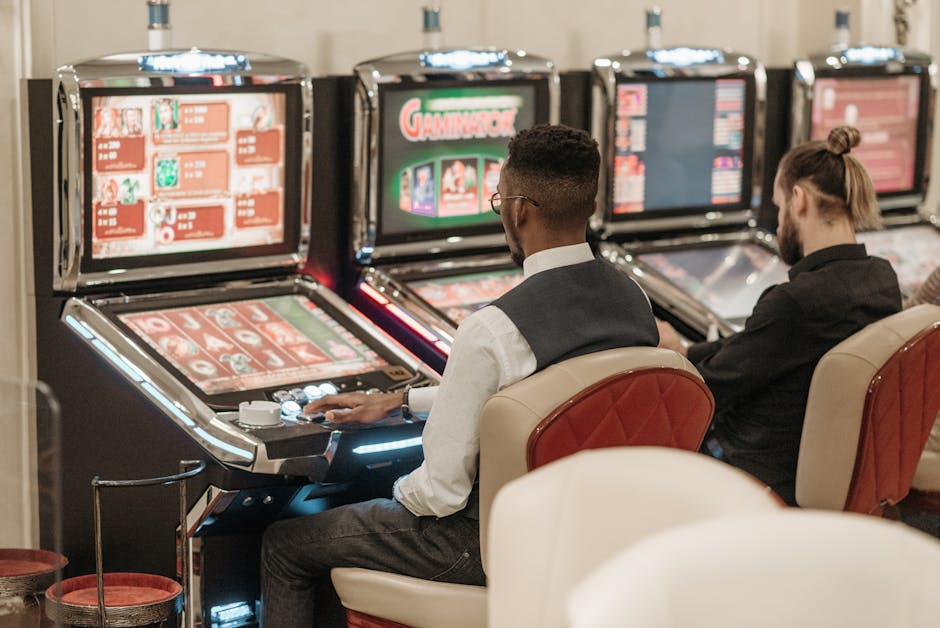
Ignoring thematic logic can lead Homepage to "too many meters" cluttering the screen without connection — meters for random unrelated currencies, conflicting animations, and disjointed feature icons. This not only crowds the UI but frustrates players who try to decipher what does what.
Too Many Meters, Hidden Central Rules, and Feature Overload
These three issues tend to appear together in overambitious slot designs:
- Too Many Meters: Screens crowded with multiple progress bars, energy levels, bonus meters, and mini-scoreboards become cluttered quickly. Spacing and typography suffer, and the player’s eye has nowhere to rest.
- Hidden Central Rules: Complex features buried behind icons or requiring lengthy explanations harm onboarding. Players want to feel the game’s essence within seconds. When central rules hide beneath a maze of UI signals, clarity vanishes.
- Feature Overload: A panoply of bonus rounds, mini-games, and scatter mechanics triggers incessant visual and audio events. Audio becomes a cacophony of clinks, fanfares, and explosions. Visually, flashing symbols and emojis slam the senses simultaneously.
In an interview with a senior UX designer from Game Developer, I learned that their team meticulously prunes UI elements in playtests, watching for any screen exceeding their internal "flash threshold." If too many triggers animate during one spin, they dial back or consolidate meters, colors, and animations.
Muting the game during testing helps isolate visual communication and ensures that even silent players receive a clear message.
Conclusion: Striking the Right Balance in Slot Game Screen Novelty
Novelty is essential in slot games. It invigorates player interest and keeps the medium evolving. However, pushing too many new elements onto a single slot game screen tends to harm usability and player engagement.
By applying the MDA framework mindfully — respecting the connection between mechanics, dynamics, and aesthetics — studios like Mr Q, Game Developer, and DotGG continuously refine how much is enough.
- Theme: A clean, cohesive first impression with readable typography and balanced spacing sets expectations correctly.
- Pace: Use color, typography, and animation to guide player attention and excitement without sensory overload.
- Mechanics and Worlds: Reuse familiar mechanics within fresh thematic contexts to keep novelty manageable.
- Thematic Logic: Ensure features feel organically part of the world, minimizing explanatory cognitive load.
Finally, watch out for too many meters, hidden central rules, and feature overload, which tend to confuse rather than delight. Thoughtful design and measured novelty unlock both player satisfaction and long-term engagement.
As someone who appreciates quiet clarity as much as dazzling innovation, I welcome further innovations that respect these principles. The future of slot game design shines brightest when novelty and clarity exist in harmony.